
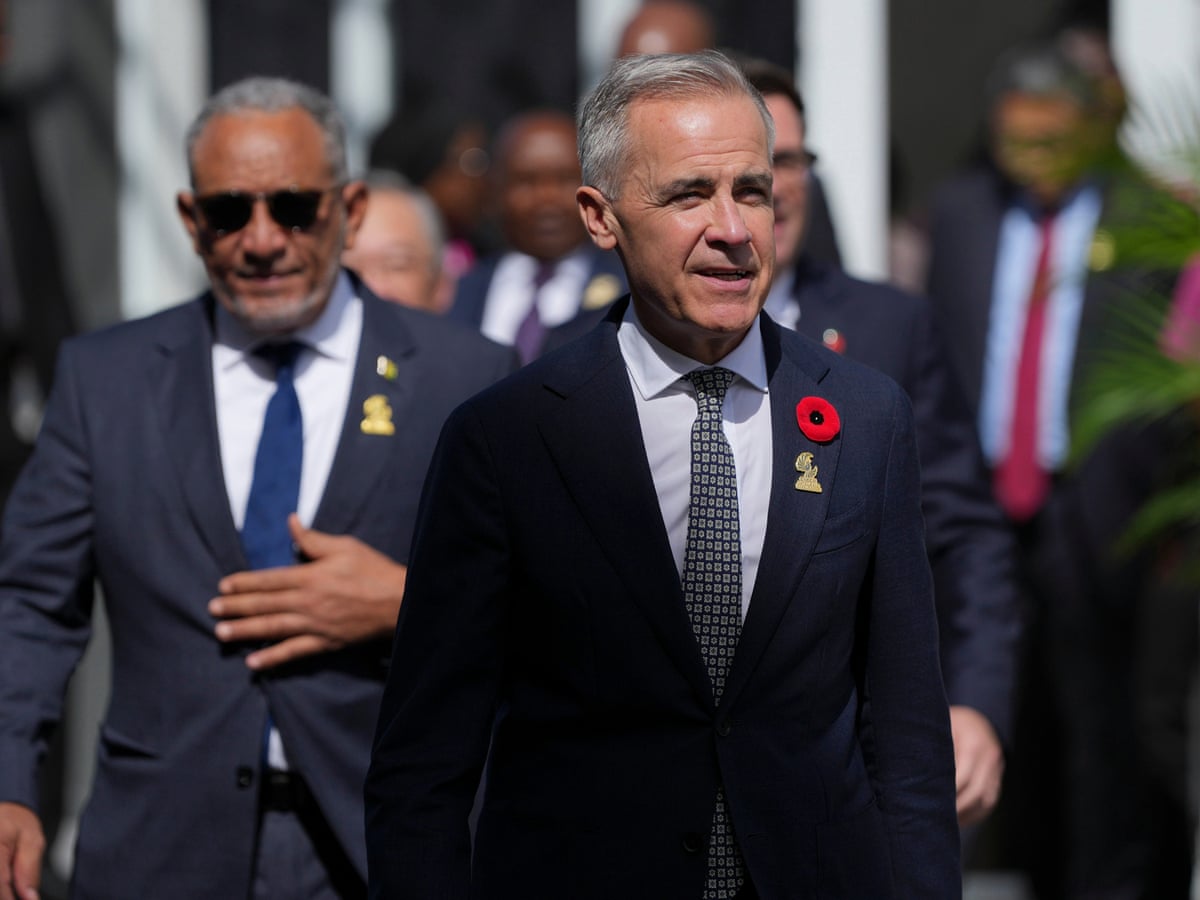
Canada has officially joined a growing international coalition of nations refusing to play ice hockey against Russia, following a controversial legal ruling regarding international competition. Prime minister Mark Carney announced on Tuesday that no Russian or Belarusian athletes will be permitted to compete for their countries on Canadian soil, directly impacting upcoming global fixtures.
The announcement comes in response to a recent decision by the Court of Arbitration for Sport, which moved to lift a prolonged ban on Russian participation in International Ice Hockey Federation events. The original ban had been implemented following the onset of the full-scale conflict in Ukraine in February 2022 and had previously been extended on an annual basis by governing officials.
However, the sports court ruled that safety and security concerns regarding the reintegration of Russian teams were not supported by sufficient evidence. This legal clearance immediately triggered widespread resistance from multiple national hockey associations across Europe and North America, setting up a major governance crisis for international ice hockey tournaments.
Prime minister Carney stated that as long as the war in Ukraine continues, Canadian venues will not host athletes representing Russia or Belarus. While Russia and Belarus support the conflict, Canadian authorities will maintain strict restrictions on participation for national teams representing those territories in upcoming international showcases.
The policy directly affects the upcoming world junior championship, which is scheduled to begin on 26 December in the province of Alberta. Organisers now face substantial logistical and diplomatic challenges regarding hosting duties, venue readiness, and team entries as the tournament start date approaches rapidly.
The Finnish Ice Hockey Association initiated the collective pushback on Monday by urging other member nations to oppose the court ruling. Federations representing Sweden, Norway, Denmark, Latvia, and the Czech Republic quickly aligned with the stance, announcing formal resistance to sharing the ice with Russian squads in any upcoming fixtures.
Norway was among the first to confirm its refusal to participate in matches involving Russia, citing ongoing concerns over player safety and operational security. Officials stated that competing under current geopolitical conditions would expose athletes, team staff, and traveling families to significant and unacceptable security risks.
Ukraine's foreign minister Andrii Sybiha publicly thanked European and international federations for standing against Russia's reintegration. Authorities in Kyiv called for continued solidarity within the global sports community, urging sports administrators to uphold moral standards and deny entry visas to competing players.
The developing boycott movement leaves international ice hockey administrators facing immense pressure to resolve the standoff before the winter tournament schedule gets underway. Further emergency meetings among sports executives and national federation delegates are anticipated in the coming days to address the tournament eligibility criteria.


Join the conversation