


The 2026 World Series is set to feature an unexpected matchup between two of Major League Baseball's smallest-market organizations. The Milwaukee Brewers and the Tampa Bay Rays have booked their places in the Fall Classic, guaranteeing that a franchise with a modest roster payroll will claim the championship title.
This year's showcase marks a significant departure from recent postseasons dominated by high-spending heavyweights like the Los Angeles Dodgers and the New York Yankees. Both league champions utilized shrewd roster management, tactical ingenuity, and exceptional player development to overcome financial disparities and reach the pinnacle of the sport.
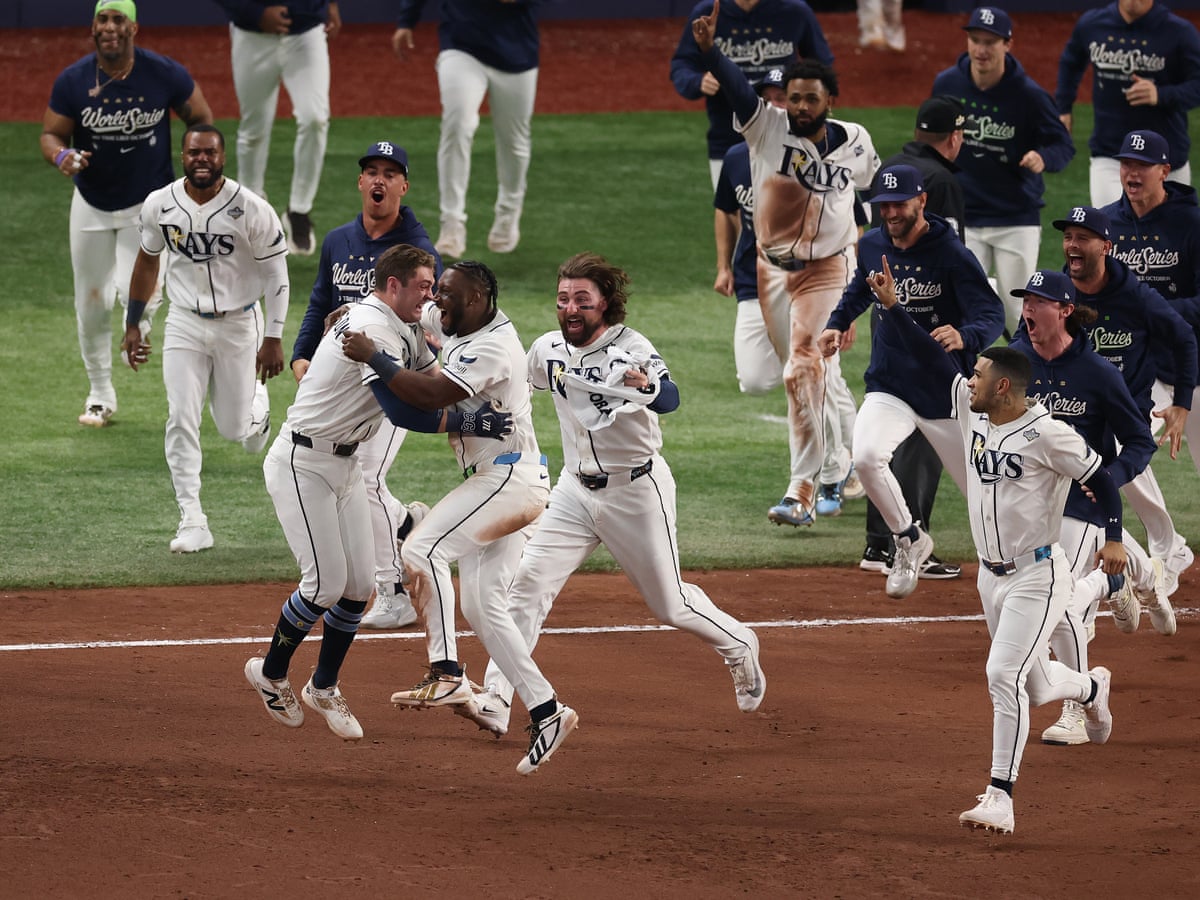
The Tampa Bay Rays secured their third American League pennant by defeating the Cleveland Guardians in the American League Championship Series. Following the victory, celebrations erupted inside the clubhouse as players sprayed champagne and Junior Caminero celebrated the historic achievement with teammates.
Tampa Bay enters the World Series seeking the first championship in the history of the franchise. The organization previously reached the Fall Classic in 2008 and 2020, falling short on both occasions before mounting this latest successful postseason run through the American League.
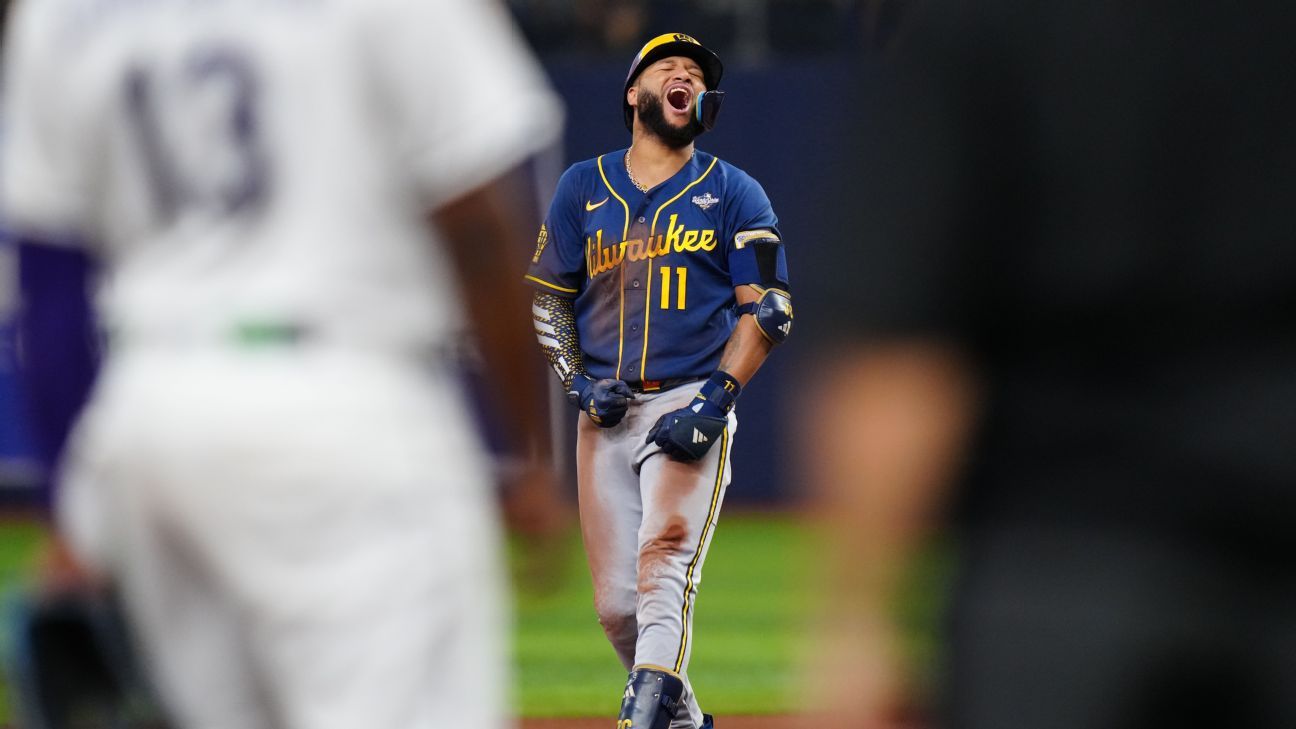
The Milwaukee Brewers advanced to their second World Series in franchise history, returning to the Fall Classic for the first time in 44 years. Milwaukee's only previous appearance in the championship series came back in the 1982 season, creating immense anticipation among the fanbase in Wisconsin.
The matchup provides a fascinating clash of styles between two teams that excel without relying heavily on massive payrolls or traditional roster construction. The Rays led the major leagues in singles this season, emphasizing a contact-driven approach that also featured a high volume of bunts for hits and sacrifices.
Tampa Bay also excelled in avoiding strikeouts, registering the best rate in the majors for putting the bat on the ball. Their offensive philosophy relies heavily on speed, aggressive baserunning, and putting constant pressure on opposing defenses throughout nine innings.
The Milwaukee Brewers deployed a different yet equally effective offensive strategy during the regular season, finishing with the second-most runs in baseball despite hitting the second-fewest home runs. The team delighted traditionalists by utilizing the opposite field more frequently than any other club in the majors.
Milwaukee's hitters excelled at finding gaps, taking walks, and advancing runners efficiently rather than relying purely on home-run power. Combined with aggressive baserunning that ranks them as the fastest team in Major League Baseball according to Statcast metrics, the Brewers present a dynamic offensive challenge.
Defensively, both contenders feature exceptional units that have consistently made difficult plays throughout the postseason. The Rays boast a particularly strong outfield alignment, while the Brewers have relied on stellar overall glovework to support a pitching staff that produced a remarkable Batting Average on Balls in Play in October.
The pitching matchup for the upcoming series highlights contrasting strengths between the two organizations. The Tampa Bay rotation has led the way successfully through the postseason rounds, while the Milwaukee bullpen has established itself as the most dominant relief corps in October.
Milwaukee's pitching staff features standout starting pitcher Jacob Misiorowski, a wiry six-foot-seven right-hander widely recognized as one of the hardest-throwing starters in baseball history. The 24-year-old regularly touches triple digits with his fastball, throwing over a thousand pitches at 100 mph or more during the regular season.
On the offensive side, the Brewers look to young star Jackson Chourio to make a major impact on the World Series stage. Infielder Brice Turang also anchors the lineup after establishing himself as a vital contributor following years of being considered among the league's most underrated performers.
The Tampa Bay lineup is spearheaded by 23-year-old star Junior Caminero, whose stellar play throughout the season established him as a premier talent in the American League. Caminero delivered a crucial blow in the ALCS-clinching victory with a memorable home run off the left-field foul pole.
Caminero's journey to stardom includes growing up in the Dominican Republic, where he successfully influenced his family to name his younger brother after former Yankees manager Joe Girardi. The infielder now stands as a central figure in Tampa Bay's pursuit of their inaugural World Series title.
The pitching rotation for Tampa Bay is expected to feature Drew Rasmussen and Freddy Peralta in the opening games of the series. Rasmussen's path to the Fall Classic includes beginning his career with the Brewers before arriving in Tampa Bay via a notable trade involving Willy Adames.
The Fall Classic matchup is expected to reignite debates among baseball executives regarding league economics and competitive balance. Critics of the current financial structure note that the presence of the Rays and Brewers undercuts arguments from owners who claim that a strict salary cap is necessary for smaller markets to succeed.
Spotrac payroll rankings place the Tampa Bay Rays 28th in the major leagues, while the Milwaukee Brewers sit at 19th. Despite operating well below the spending levels of traditional big-market franchises, both clubs demonstrated that astute scouting and modern analytics can bridge the financial gap.
The series opener is scheduled for Friday in Milwaukee, setting the stage for a compelling battle between two tactically sound ballclubs. With neither team holding a recent championship pedigree, the upcoming games guarantee a historic milestone for whichever organization captures the four required victories.
As the teams finalize their preparations, fans and analysts anticipate a tightly contested series defined by pitching depth, defensive execution, and small-ball tactics. The Fall Classic will ultimately crown a deserving first-time champion that rewrote the blueprint for postseason success.

Join the conversation