

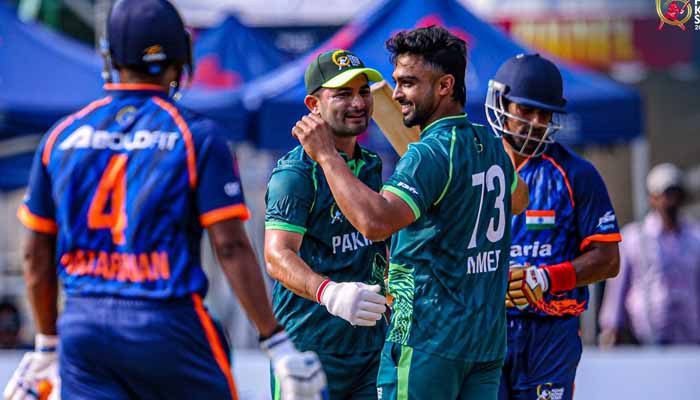
Pakistan produced a dominant performance to register a resounding four-wicket victory against arch-rivals India during their Group C clash at the Hong Kong Sixes tournament on Friday. The high-stakes encounter took place at the Mission Road Ground in Mong Kok, drawing significant attention from fans and pundits alike across the international cricketing community.
The tournament itself represents a unique format in the sport, featuring fast-paced, six-player teams competing in matches restricted to just six overs per side. Every single player, with the exception of the designated wicketkeeper, is required to bowl one over during the innings. This specialized structure places an immense premium on explosive batting from the very first ball and tight, disciplined bowling spells.
Entering the contest with high anticipation, Pakistan won the crucial toss and had no hesitation in electing to field first under the conditions. The decision to bowl immediately put pressure on the Indian batting lineup, setting the tone for a gripping contest between the two traditional rivals. The bowling attack responded effectively by restricting the flow of runs during the opening exchanges.
As the innings progressed, India struggled to build any sustained momentum, largely due to disciplined bowling and sharp fielding from the Pakistan side. The pressure mounted steadily as wickets fell at regular intervals, preventing the batting side from launching a late-stage offensive. Abdul Samad emerged as the standout performer with the ball for Pakistan, claiming two crucial wickets to disrupt the opposition’s plans.
Despite the regular fall of wickets around him, Shashank Singh provided much-needed resistance for India with a fearless approach. Singh played a blistering knock, smashing 40 runs from just 11 deliveries, which included five massive sixes that electrified the venue and temporarily shifted the momentum. His explosive hitting demonstrated the aggressive brand of cricket demanded by the six-a-side format.
Supporting Singh’s efforts, Nitish Rana contributed 19 steady runs from 14 balls, trying to anchor the innings after early setbacks. Meanwhile, T Natarajan remained unbeaten on 12 at the conclusion of the allotted six overs, ensuring India reached a total of 88 for the loss of five wickets. However, the score of 88 proved to be insufficient against a potent Pakistan batting lineup.
The Indian bowling attack subsequently endured a difficult outing, failing to contain the aggressive intent shown by the opposing batters during the run chase. Krunal Pandya also had a challenging match with the ball, compounding India’s woes as Pakistan took complete control of the proceedings. The bowlers simply had no answer to the swift scoring rate imposed from the start of the second innings.
In response to the modest target, Pakistan made light work of the run chase, overhauling the total in just 3.5 overs to seal a comprehensive win. The opening batters attacked from the outset, ensuring that any potential nerves associated with such a high-profile fixture were quickly brushed aside. Their proactive approach left the bowling side with very few defensive options on the field.
The swift victory not only secured two vital points for Pakistan in Group C but also significantly boosted their net run rate in the tournament standings. Such margins of victory are exceptionally important in short-format group stages where tie-breakers can decide progression to the knockout rounds. Pakistan’s clinical execution in both departments highlighted their strong preparation and adaptability.
Looking ahead, Pakistan will aim to carry this winning momentum into their upcoming fixtures in the tournament as they pursue the championship title. Their cohesive team performance has established them as one of the sides to watch in the current competition. Maintaining this high standard of play will be essential as they encounter tougher opponents in the subsequent rounds.
India, meanwhile, will need to regroup quickly following this heavy defeat and address their bowling and fielding shortcomings before their next group match. The coaching staff will likely conduct a thorough review of the tactical errors made during the powerplay and the bowling phases. Bouncing back from a loss against arch-rivals requires immense mental resilience and immediate tactical adjustments.
The historic rivalry between the two cricketing nations added intense drama to the day’s proceedings, captivating audiences watching from around the world. Matches between Pakistan and India always carry immense expectations, regardless of the specific format or tournament context. The Hong Kong Sixes encounter certainly lived up to its billing in terms of entertainment value and dramatic passages of play.
As the tournament progresses at the Mission Road Ground, teams will continue adapting to the unique demands of six-a-side cricket. The venue in Mong Kok has historically played host to exciting matches, and this fixture added another memorable chapter to its sporting legacy. Fans and organizers alike will look forward to more high-scoring encounters as the group stage draws toward its conclusion.


Join the conversation