
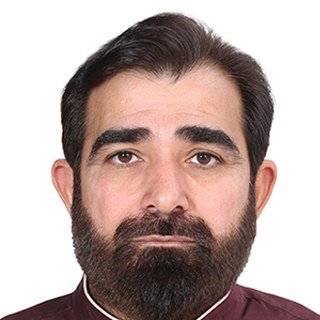
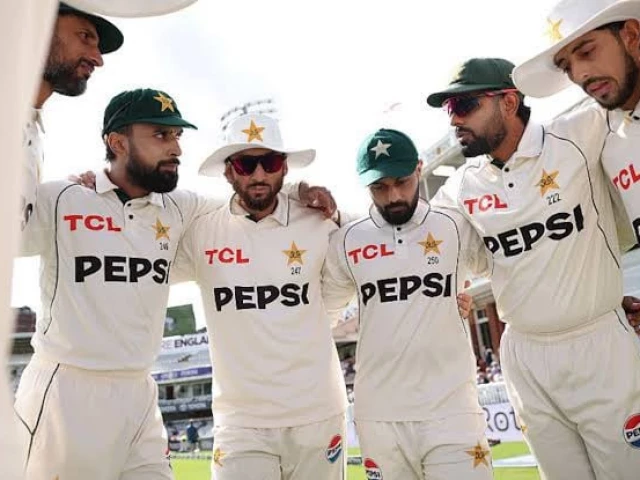
Pakistan Cricket Board Director of High Performance Aqib Javed has defended a new men's central contract structure that replaces the traditional A, B, C and D grades with format-based categories designed to strengthen Test cricket and encourage domestic participation.
Speaking on the Stray Drive podcast, Aqib said the board had moved to contracts grouped by the formats in which players are expected to represent Pakistan over the coming year: Test specialists, players featuring in both Tests and ODIs, those in ODIs and T20Is, and T20-only cricketers.
He stressed that a central contract is not a guarantee of selection, describing the categories as an indication of likely international roles rather than confirmation of a place in the national side, and said the PCB could introduce additional players after a three-month review.
Addressing recent omissions, Aqib said all-rounder Aamer Jamal had yet to consistently justify his potential despite conversations over the last two to three months, while Abdullah Shafique's inconsistency remained a worry despite his ability to produce big innings.
Pakistan finished ninth in the previous World Test Championship cycle, a position Aqib said the team's talent and skill did not deserve, adding that the board wanted to develop a younger group capable of competing consistently for a top-three or top-four finish.
Experienced players including Shan Masood, Mohammad Rizwan and Imam-ul-Haq are not part of the new Test-focused plans as the PCB seeks to develop younger options rather than continue with an approach that had repeatedly produced similar results.
A central feature of the new contracts is an emphasis on domestic red-ball cricket: Test specialists must play a minimum of six first-class matches, players in both Tests and ODIs at least four, and those in ODI and T20I categories two four-day matches and four 50-over games.
County cricket will count towards first-class requirements, although the PCB particularly wants players to remain involved in domestic competitions in Pakistan, arguing that the growing popularity of franchise T20 leagues has damaged red-ball development.
Aqib said players preparing for Test cricket needed regular first-class exposure to maintain the physical and technical demands of the format, questioning how a player used to four overs in T20 leagues could bowl 25 overs in a day in a Test.
The PCB has introduced incentives for red-ball players, including increased match fees and improved contract terms, while specialist Test players will be restricted to the Pakistan Super League rather than overseas T20 leagues.
Players will still need no-objection certificates to participate in overseas competitions regardless of whether they hold central contracts, and the new system incorporates performance-based assessments with fitness and domestic commitments as initial requirements.
Players must clear fitness tests, fulfil domestic obligations and achieve a minimum performance impact score of 50 per cent to qualify for a contract, with the top tier requiring at least 70 per cent, assessed across domestic, international and league performances worldwide.
Development contracts will fast-track promising younger players by identifying the formats best suited to their progress, citing Hunain as an example whose development is mostly towards T20, while Obaid Shah will continue playing across formats on a fast-track pathway.
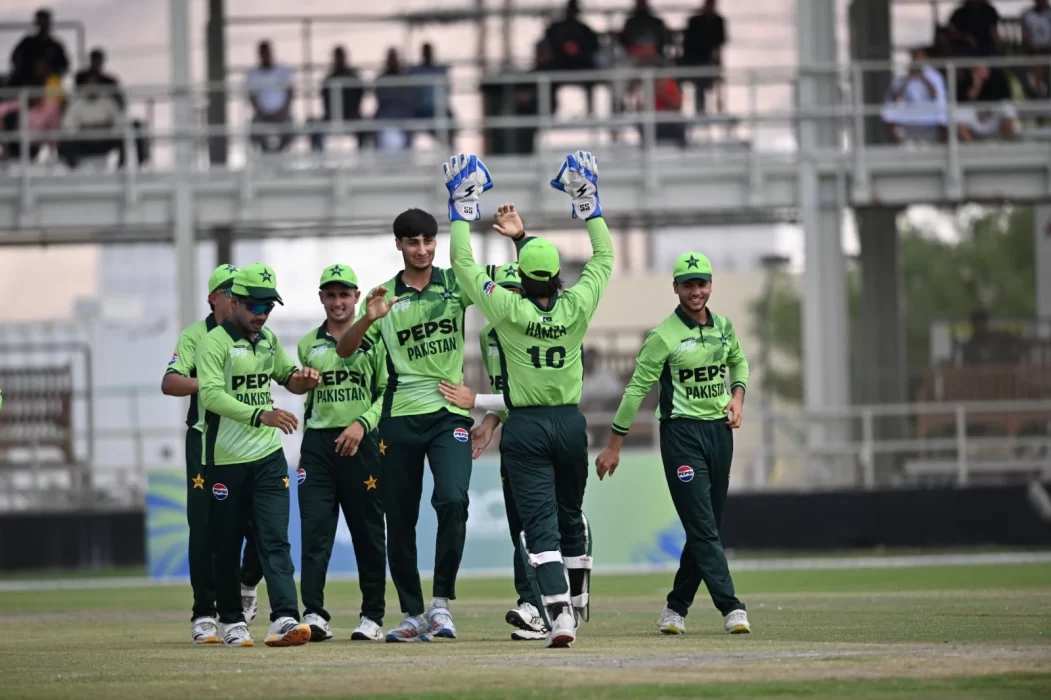
Successful under-19 players returning from a tour of England will receive separate domestic contracts rather than being included in the senior central contract system, and the PCB has established a structured pathway through under-15, under-17, under-19 and under-21 cricket.
Selected young players receive extended training and development opportunities over one to two years, focusing not only on cricketing skills but also on fitness, nutrition, sleep and discipline, with training in Multan in temperatures reaching 45 to 46 degrees Celsius.
Aqib said the programme was intended to develop habits that would remain with players throughout their professional careers, noting improvements in fielding and fitness among younger players and fewer injuries during the extended training.
The PCB is also working to ensure players do not have to sacrifice education, with online studies, home tuition and arrangements with local schools helping them continue academic development while training at designated centres.
The ultimate objective is to create a stronger transition from age-group cricket to the senior national team, an area in which Pakistan has struggled recently, with Aqib highlighting the confidence and competitive body language of emerging players as encouraging signs.
Aqib defended the PCB's decision to establish development bases in different cities rather than replicate structures of countries such as Australia and India, saying Pakistan needed a system suited to its own population, resources and cricketing environment.
Development activities have been expanded across Faisalabad, Karachi, Sialkot, Multan, Peshawar and Lahore, providing more opportunities for young players to compete in live matches under camera pressure from an early age.
Join the conversation