

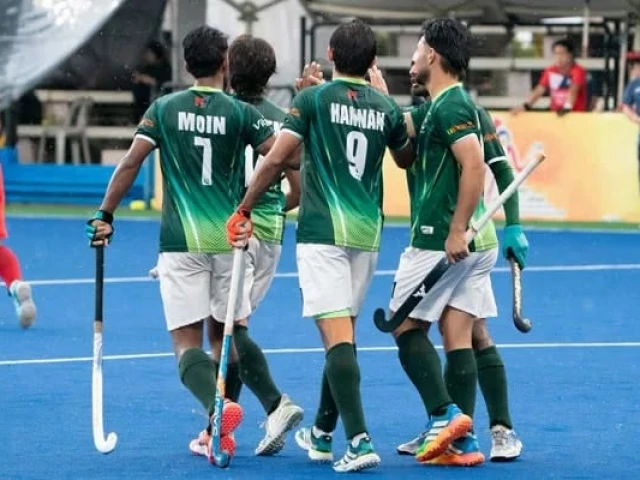
Pakistan finished fourth at the Sultan Azlan Shah Cup in Ipoh after suffering a 3-0 defeat against South Korea in the third-place playoff on Saturday. The result capped a disappointing campaign for the national side, who missed out on a place in the final following a 5-5 draw with hosts Malaysia.
The Green-shirts had entered the bronze medal match having previously beaten South Korea 3-2 during the league stage of the invitational tournament. However, the heavy defeat in the playoff match sparked sharp criticism regarding the team's tactical approach and consistency under the foreign coaching staff.
Former Olympian Rahim Khan expressed strong dissatisfaction with the team's performances and demanded a formal explanation from the coaching setup. He questioned the stark contrast between Pakistan's group-stage victory over South Korea and their subsequent defeat in the playoff fixture.
The former player noted that finishing fourth in an invitational tournament fell well below expectations, adding that a podium finish would have provided a more respectable outcome. He urged the national federation to publish a report from the foreign coach detailing the factors behind the team's decline in form.
Rahim questioned the financial investment in foreign coaches if the team fails to deliver positive results against modest opposition. He suggested that domestic coaching candidates such as Tahir Zaman, Qamar Ibrahim, Khwaja Junaid, and Kamran Ashraf could be considered as alternatives for the setup.
Reflecting on the team's campaign, Rahim pointed out that Pakistan began strongly with 5-1 victories over Canada and the United States before losing 5-2 to Australia. He noted that Australia was the only formidable side in the competition, making the subsequent struggles against other opponents difficult to justify.
The former gold-medallist highlighted tactical shortcomings during the matches against Malaysia and South Korea, arguing that the team became overly defensive. He specifically cited the closing stages of the Malaysia match, where he believed the team should have retained possession instead of allowing opponents to dictate the tempo.
Rahim emphasized that the squad consists of experienced players rather than youngsters, making the tactical errors harder to accept. He concluded that comprehensive changes and strategic flexibility are required to improve the overall standards of the national side.


Join the conversation