

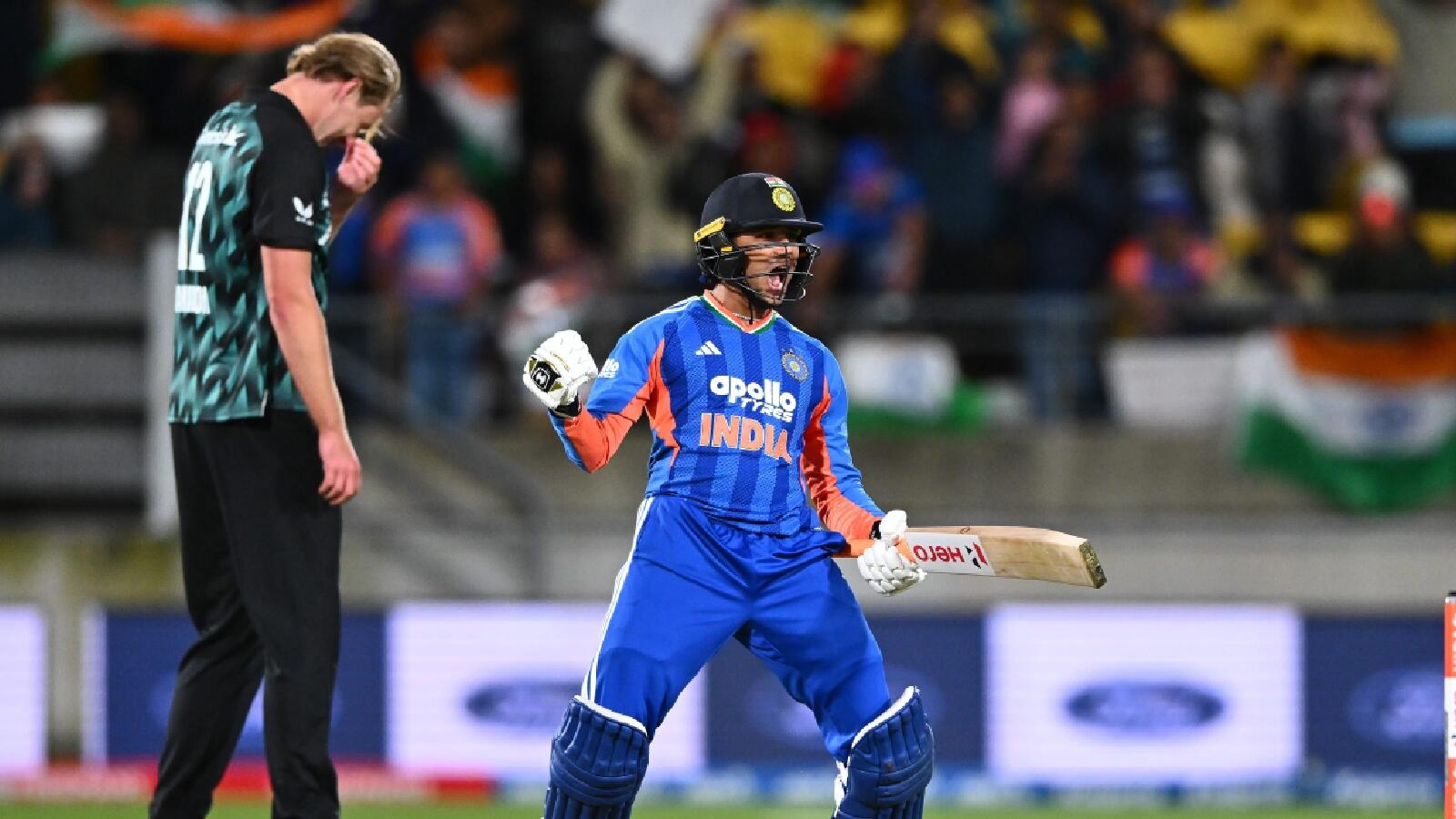
Abhishek Sharma surpassed Virat Kohli to become the Indian batter with the most Twenty20 centuries during a commanding performance against New Zealand. The explosive left-hander achieved this notable milestone in the third T20 International fixture held in Wellington on Tuesday. His remarkable innings propelled India forward in the ongoing bilateral series against the Black Caps in alien conditions.
The opening batsman delivered a masterclass in aggressive strokeplay, reaching a sensational 113 runs from just 38 deliveries. His blistering knock featured a flurry of boundaries, comprising nine fours and 11 towering sixes that cleared the ropes with ease. This astonishing display of power-hitting yielded a staggering strike rate of 297.37 throughout his time at the crease.
With this latest three-figure score, Abhishek has now overtaken former India captain Virat Kohli on the elite list of centurions in the shortest format of the game. The achievement underscores the rapid rise of the dynamic young opener within the national setup. Selectors and coaches have backed his aggressive approach at the top of the order during recent bilateral assignments.
The left-hander now requires just three more centuries to surpass Pakistan star Babar Azam at the very top of the global elite list for T20 hundreds. International cricket observers have closely monitored Abhishek's development since his domestic breakthroughs in the Indian Premier League. His ability to dominate quality bowling attacks in overseas conditions continues to attract widespread praise from former players.
New Zealand bowlers struggled to contain the onslaught as the Indian batter dictated terms from the outset of the innings. Field settings proved largely ineffective against a player who utilised the entire expanse of the Wellington ground. Every pacing option and spin variation deployed by the hosts was met with fierce counter-punches through the off and leg sides.
The third T20I encounter carries significant importance for both touring and home sides as the series reaches a crucial juncture. India arrived in New Zealand with high expectations following successful home campaigns earlier in the year. The squad management has emphasised the need for fearless cricket in powerplay overs, a philosophy that Abhishek executed to perfection.
Virat Kohli, who previously held the outright Indian record for the most T20 centuries, has long been the benchmark for modern batting consistency. Kohli's contributions across all formats remain legendary, making Abhishek's feat all the more remarkable for a player relatively early in his career. The transition of batting records highlights the emergence of a new generation of Indian cricketers.
Domestic cricket structures in India have continuously produced aggressive stroke-makers capable of adapting to international standards without hesitation. Abhishek's journey to the national side involved stellar performances in domestic tournaments and franchise cricket. Franchises have benefited immensely from his fearless intent at the top of the order during high-pressure matches.
Wellington has traditionally offered challenging conditions for visiting batsmen due to windy atmospheric factors and lively pitch surfaces. Overcoming these hurdles requires precise timing and unwavering concentration, traits that Abhishek displayed throughout his record-breaking stay. The venue has previously hosted numerous memorable contests between these two competitive cricketing nations.
Babar Azam remains the global standard-bearer for centuries in the shortest format, maintaining a formidable record across various international leagues and bilateral series. Chasing such a milestone places Abhishek in rare company alongside the world's most prolific run-scorers. Analysts expect the race for T20 batting supremacy to intensify as international schedules become increasingly packed.
The strategic deployment of opening batsmen in modern cricket places a premium on maximizing the mandatory powerplay overs. Abhishek's explosive style ensures that his team gains immediate momentum, often putting the opposition on the defensive early. Coaching staff often highlight the psychological advantage gained when an opener scores at a strike rate approaching three hundred.
New Zealand will need to regroup quickly ahead of the remaining matches in the series to counter India's aggressive batting depth. Captains often find it difficult to adjust tactical plans when a batsman enters such destructive form in overseas conditions. Bowlers are forced to execute yorker-length deliveries consistently to prevent clean hitting down the ground.
International cricket schedules provide little rest for touring parties, requiring swift recovery protocols between closely contested fixtures. The mental resilience required to back up such an innings in subsequent matches will test the young batsman further. Team analysts will study footage of this knock to help him maintain consistency in upcoming encounters.
Supporters of the Indian cricket team have celebrated the milestone across social media platforms, praising the fearless brand of cricket displayed. The emergence of multi-format talents ensures healthy competition for places within the national squad. Selectors face pleasant dilemmas when naming starting XIs given the abundance of explosive batting options currently available.
Bilateral series between India and New Zealand have a history of producing thrilling encounters and individual brilliance. Historical head-to-head records show fiercely contested battles across all three formats of the sport. Fans look forward to seeing whether the visiting team can seal the series following this commanding individual performance.
The tactical evolution of T20 cricket continues to accelerate as players innovate with ramp shots, reverse sweeps, and power hitting. Innings like the one witnessed in Wellington demonstrate how far modern batting techniques have advanced over the past decade. Coaches invest heavily in analytical tools to help players identify optimal scoring areas against specific bowling lengths.
Fitness levels and agile running between the wickets complement the boundary-hitting ability required in modern international fixtures. While Abhishek relied predominantly on boundaries during his century, rotating the strike remains a vital component of successful innings. Maintaining high physical standards allows players to sustain intensity throughout demanding international calendars.
As the match progressed towards its conclusion, spectators at the venue acknowledged the special knock with sustained applause. Accomplishments of this magnitude leave a lasting impression on the history of bilateral touring fixtures between the two nations. The focus now shifts entirely to the subsequent matches of the tour as teams chase ultimate series victory.
Tactical adjustments will undoubtedly form the core of New Zealand's team meetings ahead of the next scheduled fixture. Analysts review every delivery to identify subtle flaws or moments where pressure could be successfully applied against aggressive stroke-makers. Maintaining discipline with line and length remains paramount for any bowling unit facing such formidable opponents.
Statistical milestones of this nature provide essential context for historians evaluating the evolution of limited-overs batting. Records continue to fall as modern athletes redefine what is achievable within the span of twenty overs. Observers eagerly await the next chapter in this gripping international series.


Join the conversation