

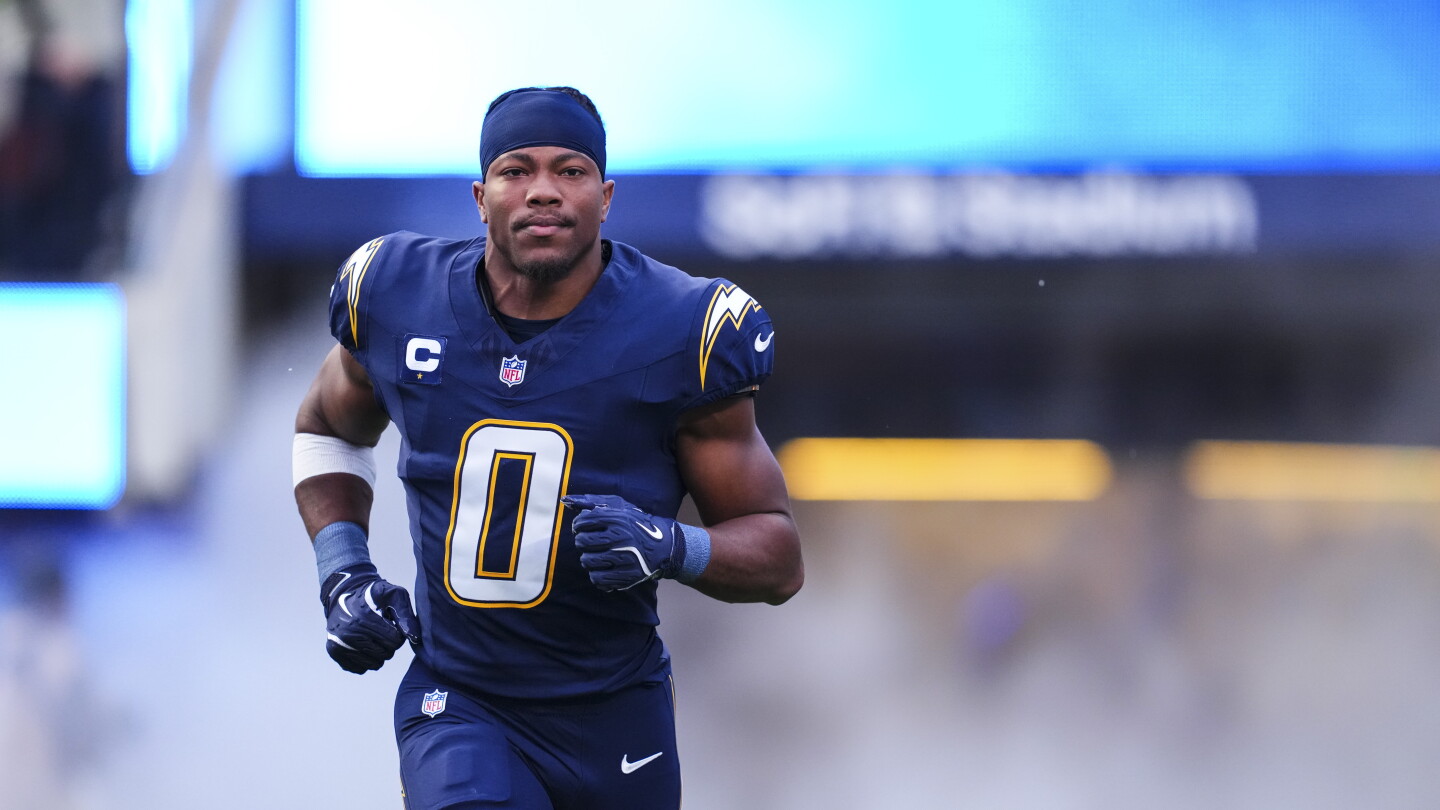
The NFL's trade deadline machinery has come under scrutiny after a proposed deal sending Los Angeles Chargers linebacker Daiyan Henley to the Denver Broncos fell apart when the Broncos sought revised terms following a failed physical.
The Chargers and Broncos had agreed a trade before the 4:00 p.m. ET deadline on Tuesday, November 10, and both teams communicated the terms to the league office.
Like all trades, the deal was contingent on Henley passing a physical. The Broncos discovered arthritis in Henley's knee during the examination.
A league spokesperson confirmed the NFL permits teams to adjust draft-pick compensation after the deadline, though they cannot add or substitute players.
The Broncos remained willing to acquire Henley for less than the originally agreed package of a 2027 fourth-round pick and a 2028 fifth-round pick.
The Chargers declined to accept reduced compensation, and the trade was cancelled.
Henley, who has started all eight games this season and played 89 percent of defensive snaps, remains with the Chargers.
The situation mirrors a March trade between the Baltimore Ravens and Las Vegas Raiders for defensive end Maxx Crosby, which the Ravens voided after a failed physical without attempting to renegotiate.
Critics argue the current rule creates an opening for gamesmanship, allowing an acquiring team to leverage medical concerns to extract better terms after the deadline has passed.
A hypothetical scenario illustrates the risk: a team could agree to a deal, then use a post-deadline physical to demand a lower price, leaving the original team with no alternative suitor.
The subjectivity of team-conducted physicals exacerbates the issue, as a team with buyer's remorse could fail a player on medical grounds to escape an unwanted commitment.
Some observers suggest independent physicians should conduct trade physicals to remove potential conflicts of interest.
The immediate focus, however, is on eliminating the ability to renegotiate trade terms after the deadline, ensuring deals stand or fall on their original conditions.
The NFL has not indicated whether it will review the rule before the next trading period.


Join the conversation